

last updated:
September 30, 2026
min read
Making room for yourself in motherhood: A conversation with Allara CEO & founder Rachel Blank

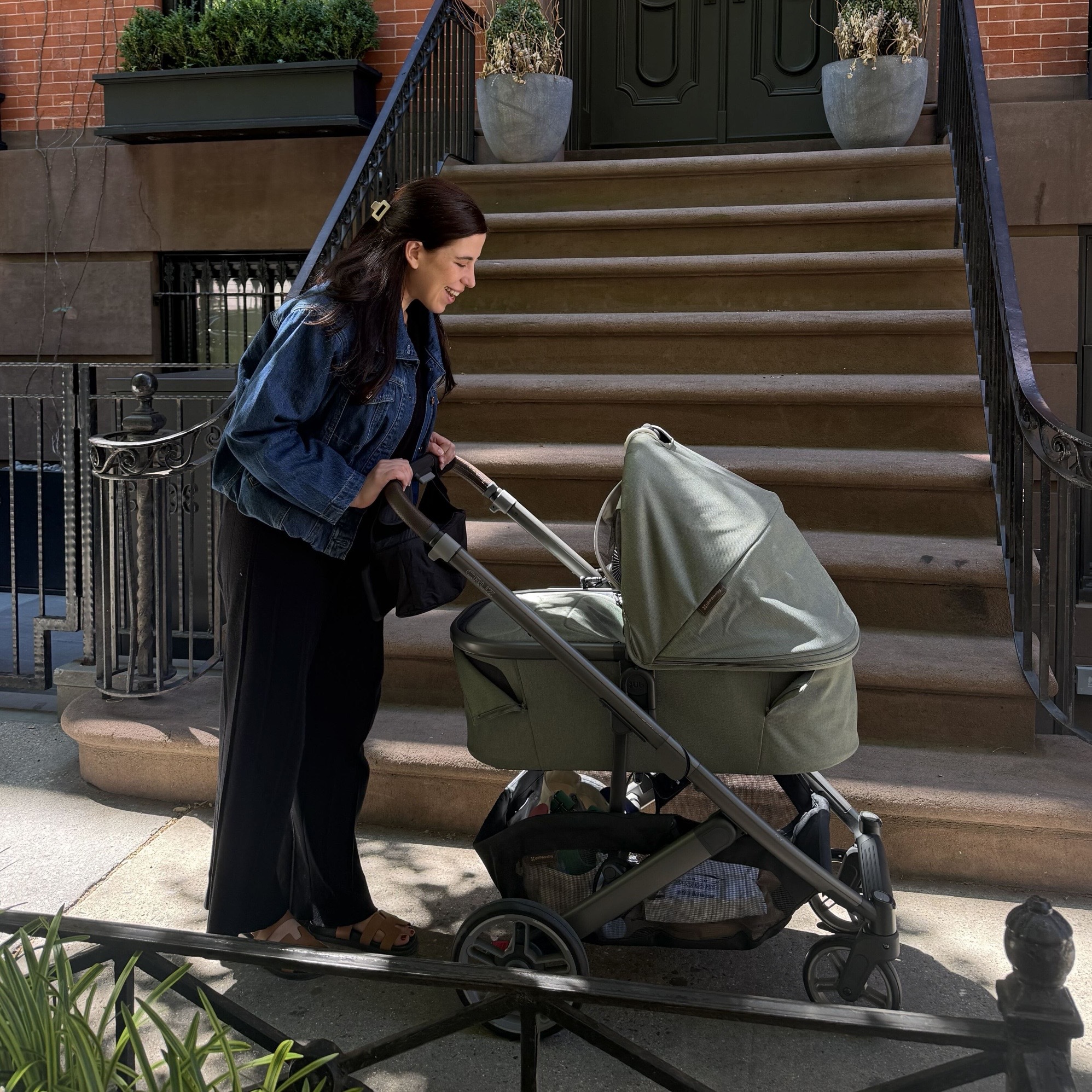
We talked to Allara founder Rachel Blank about how to navigate the physical and emotional realities of postpartum including what’s helped her.
Rachel Blank built Allara after spending years looking for better care for her PMOS. Now, as a new mom, she’s navigating another chapter in her relationship with her body. We asked Rachel about the adjustment to life after pregnancy, the preparation that helped, and what she wants other women to know when they don’t quite feel like themselves.
I felt like I knew so much about my body and my health beforehand, and yet, to say it’s still an adjustment is an understatement. This experience has been a humbling reminder that understanding your body is an ongoing and ever-changing process.
I’ve spent years learning about my health through PMOS, and having a baby brings a new set of questions. There’s this idea that you’re supposed to get back to where you were before pregnancy, but I’d rather give myself room to figure out what feels good now and what I need in this new transitional period of my life.
I think we need to make it easier for women to be honest about the adjustment. There can be so much pressure to emphasize how happy and grateful you are that it becomes difficult to say anything else.
You can love your baby and still want to talk about yourself – how you’re feeling, the challenges you’re facing, and the parts of your life you’re trying to make room for again. That conversation shouldn’t come with guilt, yet it often does.
And I think that matters especially for women who have spent a long time thinking about whether they’ll be able to have a baby. Wanting something deeply doesn’t mean every part of it has to feel easy once it happens and we need to be honest and open about that.
I really committed to strength training and staying active throughout my pregnancy, and it made a big difference for me afterward. I’m glad I put that time into taking care of myself before the baby arrived.
I think preparation can become very focused on the birth and everything the baby will need, but taking care of your own body is equally as important. Of course, this is just my personal experience, so I wouldn’t want another woman to read it as one more thing she should have done or should do. Every pregnancy is different. For me, exercise was something that helped.
Absolutely. One thing that really stayed with me was finding out I had insulin resistance after I started working with my Allara provider. I hadn’t fit the standard picture people expected, so it hadn’t been checked. Addressing it became an important part of managing my symptoms.
That was before this postpartum chapter, but the lesson is still relevant: you shouldn’t have to figure it all out on your own before you can ask for help. You should be able to say, “Something feels different, and I’d like to understand it.”
I wouldn’t automatically put every change down to hormones. I’d want someone to take the time to ask questions and help me understand what’s going on. That’s the kind of care I wanted for myself when I started Allara.
What care for the mother is going to look like after the baby arrives. Who can you go to with questions? Who’s checking in on you and how you feel? How do you get help if something is bothering you?
My dad is a gynecologist, and growing up I watched him spend evenings calling patients. That gave me an early example of someone taking the time to follow up and really care about how a person was doing.
Later, with my own PMOS journey, I often felt like my health would get more attention when I was ready to get pregnant. I don’t want women to feel that their health only matters in relation to having a baby. How you feel in your everyday life matters before pregnancy, and it matters afterward.
You don’t have to pretend you feel comfortable with every change. Give yourself room to be honest about it, and find people you can have that conversation with.
When I was trying to understand my PMOS, I spent hours reading forums. Hearing from other women helped me feel less alone in what I was experiencing. There’s something very reassuring about realizing someone else understands what you’re trying to describe.
I think new moms deserve that same openness, along with care from someone who takes their concerns seriously. You can be adjusting to a new stage of life and still ask for help with the parts that are difficult. Becoming a mom doesn’t make your own needs less important.
“I was given an explanation of how my hormonal imbalance was affecting me as a whole - body & mind - & tools so that we could start to manage my condition. I am happy to announce after a year of trying, I found out that I was pregnant & I couldn’t be happier!”


“This is genuinely the first time in my 7 years of being diagnosed, that I have felt seen and heard.”

“The Allara Community gives me the courage and support to continue my PCOS journey - I am never afraid to ask the hard questions and love hearing from other women with the same challenges.”

"My doctor went above and beyond making sure I had all the necessary tests, but also tremendously helped me in understanding my diagnosis, helping me change my lifestyle, and making sure I get the treatment I deserve."

"Before Allara I had no real direction or understanding of what it meant to have PCOS. Now I have a team of people that take time to explain every single thing to me, ask me how I feel and let me be a part of my treatment plan."


