

last updated:
January 26, 2026
min read
Our ongoing dedication to perimenopause care

For years, women have been taught to think about hormonal health in narrow windows: fertility, pregnancy, and postpartum. Everything else gets brushed off as stress, aging, or “just part of being a woman.” But for millions of women in their late 30s and 40s, something else is happening—and it’s often misunderstood, underdiagnosed, and undertreated: perimenopause.
And so much of the current guidance is missing a crucial point: Perimenopause care has to center around hormonal care. “Hormones don’t work in isolation, and neither should care,” says Allara Founder and CEO Rachel Blank. “Supporting women through perimenopause means addressing nutrition, metabolic health, and gynecologic care together, not separately,” she continues.
That means a holistic approach that combines diet, physical activity, mental and emotional health, and, if necessary, therapeutic intervention. According to estimates, more than a billion women worldwide will have gone through perimenopause and menopause by 2025, and yet there’s still so much misinformation and confusion. And that stops women from getting the care they need to function and thrive.
Here’s how Allara plans to help.
In 2021, we launched Allara with one goal in mind: change the status quo in women’s health. After dealing with gaps in care with her PCOS, Blank knew there had to be a better way to address women’s care, “I was frustrated and got more questions than answers,” she recalls.
Like PCOS, perimenopause exposes a flaw in the traditional healthcare model. These changes aren’t one-offs, yet the care women receive often operates that way. A sleep issue here, weight gain there, mood changes somewhere else—treated separately, if at all. But hormonal transitions demand a more connected approach.
Women’s health is critically underserved, and when it comes to menopause, it’s even worse. According to research, less than 1% of published aging studies fail to consider menopause as a factor
That means this critical life stage has gone largely ignored for decades. Even the way we think about menopause has to shift. It’s not just one moment in time; rather, it’s a gradual hormonal transition that can last for years, marked by fluctuating estrogen and progesterone levels that affect far more than just your period. Energy dips, moods shift, and suddenly your body feels unfamiliar.
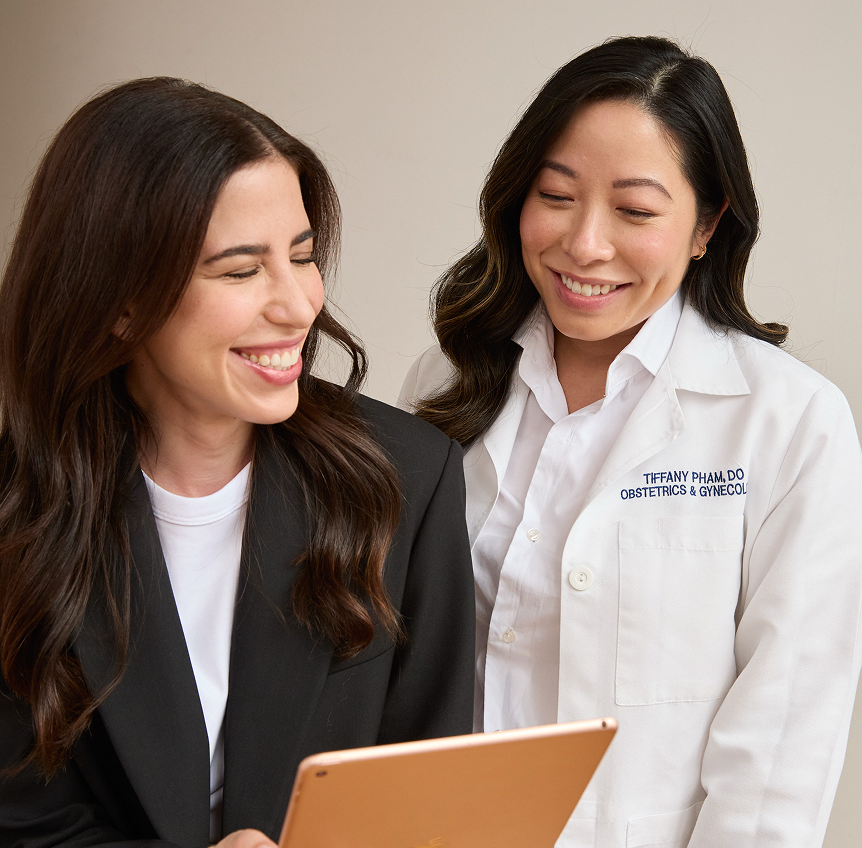
“Perimenopause affects far more than just your cycle,” shares Dr. Tiffany Pham, Allara’s Medical Lead. “Fluctuations in estrogen and progesterone can influence sleep, mood, metabolism, and energy levels, and so many women feel ‘off’ long before they realize what’s going on.”
At Allara, this isn’t theoretical. It’s what patients have been saying all along. Women come in searching for answers, only to be told their labs are “normal” or that their symptoms are something they just have to live with. That gap between what women feel and the care they receive is exactly why Allara exists.
“One of the biggest gaps in women’s healthcare is how often hormonal symptoms are dismissed as normal parts of life, stress or aging,” Blank explains. “When hormones are changing, women deserve care that takes it seriously and looks at the full picture.”
For many women, perimenopause can feel like a loss of control. The routines that once worked no longer do. The body that felt predictable suddenly doesn’t. That experience can be isolating, especially when no one has named what’s happening.
This is where Allara’s care model becomes especially critical. By combining medical care with registered dietitian support, Allara helps women understand what’s happening in their bodies—and what they can actually do about it. It’s not about quick fixes or one-size-fits-all plans. It’s about building care around real lives, real symptoms, and real hormonal changes.
“Many women spend years feeling like their body suddenly changed overnight, and they don’t know why,” Blank adds. “Our goal is to help them understand what’s happening hormonally and feel supported with a plan that’s personalized and sustainable.”
How does Allara do that? “Our ongoing care model pairs patients with specially-trained doctors and registered dietitians for a multidisciplinary approach,” Blank explains. Additionally, we make it convenient by offering virtual visits and in-app messaging, so you can access your team on your schedule and ask questions when you need to and in one place.
Blank says that this model stems from her own experience, and that of the thousands of Allara patients, “At Allara, we’ve seen how frustrating it can be for women to bounce between providers without clear answers. The solution is coordinated care, not trial-and-error solutions.”
Allara’s move into perimenopause care isn’t a pivot. It’s a continuation of our commitment to filling a critical gap. As more women ask for help beyond fertility and cycle concerns, the need becomes impossible to ignore.
“Perimenopause isn’t a niche issue; it’s a life stage that impacts millions of women,” says Blank. “We want to make sure they have access to expert care that helps them feel better now and protects their long-term health.”
Women’s health care shouldn’t end when fertility does. Women deserve support through every transition—not just the ones healthcare has historically addressed. Discover the Allara care model and learn how to achieve your best self.
“I was given an explanation of how my hormonal imbalance was affecting me as a whole - body & mind - & tools so that we could start to manage my condition. I am happy to announce after a year of trying, I found out that I was pregnant & I couldn’t be happier!”


“This is genuinely the first time in my 7 years of being diagnosed, that I have felt seen and heard.”

“The Allara Community gives me the courage and support to continue my PCOS journey - I am never afraid to ask the hard questions and love hearing from other women with the same challenges.”

"My doctor went above and beyond making sure I had all the necessary tests, but also tremendously helped me in understanding my diagnosis, helping me change my lifestyle, and making sure I get the treatment I deserve."

"Before Allara I had no real direction or understanding of what it meant to have PCOS. Now I have a team of people that take time to explain every single thing to me, ask me how I feel and let me be a part of my treatment plan."


