

last updated:
January 14, 2026
min read
Are you getting enough fiber?



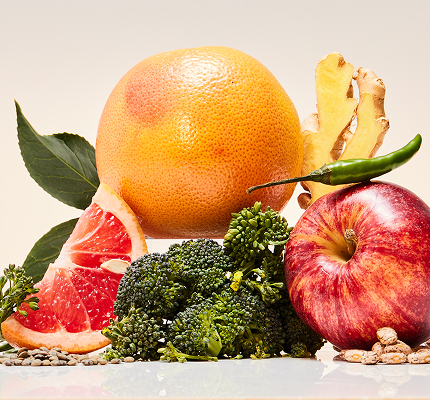
Fibermaxxing was one of the hottest wellness topics this year, and for good reason. Fiber is an essential macronutrient that most women simply do not get enough of. But if you’ve ever tried to follow the advice and “eat more fiber,” but immediately felt bloated, crampy, or just over it…you’re not alone.
Fiber is essential for balanced hormones, smoother digestion, steadier energy, and glowing skin. However, you can’t just start adding it to every meal in large quantities; eating too much fiber at once can cause some serious discomfort.
So let’s break down how much fiber you should eat, what that actually looks like in real life, and how to make it fit seamlessly into your day—without turning every meal into a project.
Let’s be honest, after the blitz of protein PR, fiber has a somewhat boring reputation. But don’t count out this macronutrient, it’s honestly one of the most powerful tools for day-to-day wellbeing.
Here’s why it’s such a must-have:
And because most younger women aren’t getting enough, these benefits quietly slip away. That’s why knowing your number matters.
Here’s the short version (copy and paste this in your phone notes for quick reference): Women under 50 should aim for 25–28 grams of fiber per day.
The USDA’s universal guideline is 14 grams of fiber for every 1,000 calories you eat. So if you’re eating around 2,000 calories, that translates to about 28 grams. You can also adjust your fiber needs based on your lifestyle:
These are all general guidelines. If you have other diet sensitivities or special needs, consult with your healthcare provider for a personalized nutrition strategy.
A lot of women think they get enough fiber, but the reality is the opposite: we’re averaging about half of what we actually need. And many don’t realize their body is basically waving a red flag for more fiber. If any of these sound familiar, you might be running low:
Not constipated, but not comfortable either. Sluggish digestion and frequent constipation are classic signs of low-fiber intake.
Along with protein, fiber helps you stay satisfied. Without adequate fiber during the day, you may feel hungrier more often.
The blood sugar roller coaster is a fiber issue–so throwing another latte at it won’t solve the problem, unfortunately.
Gut health = skin health, and fiber feeds your microbiome. If your skin is dull, no matter how many products you try, it may be an internal gut issue.
Yes, eating too much fiber too quickly can cause gastrointestinal issues like bloating. However, ironically, too little fiber can leave your digestive system struggling. The good news? Fiber upgrades start working within a few days once you gradually increase your intake.
To hit 25–28 grams per day without obsessing over numbers, build your meals around foods that naturally deliver the goods.
Here’s a handy curated list of the highest-fiber foods that integrate easily into real life (fiber in grams per 100g). You can also check something called a glycemic index, a database of foods ranked by how quickly they cause your blood sugar to rise. Low GI foods tend to be higher in fiber.
Excellent source of fiber and a great “slow carb,” meaning the slower digestion helps keep you fuller for longer:
Amazing for vegetarians and vegans, and packs a HUGE amount of fiber while keeping glucose moderate. Also, you can add them to a multitude of dishes, so you’ll never get bored:
These can be great, but keep an eye on sugar; yes, fruit is natural, but some are very high on the glycemic index, signaling that they rapidly raise blood sugar. These are the highest in fiber:
Another excellent source of fiber and slow carbs:
Seeds and nuts have a ton of fiber, but they can be calorie-dense. For example, a serving of almonds is around 1 ounce (28 grams) or 23 whole almonds, which equals 16 calories. Not bad for a snack, but it’s easy to go a bit overboard. Keep that in mind when you are adding seeds and nuts to your diet:
This is where many women tap out. You increase fiber because you're trying to be healthy…and suddenly your stomach feels like it’s staging a protest. So you scale back and decide fiber isn’t for you.
Here’s how to prevent that:
Yes—especially if you increase your intake too quickly or you’re just starting to eat more fiber. If you’re experiencing a lot of bloating, scale back and go even more slowly. Your gut bacteria need time to adjust.
Also yes. Anything above 50–70 grams a day can cause constipation, bloating, and nutrient absorption issues. Most women won’t get close to that unless they're taking multiple supplements or eating very high-fiber diets.
Not all fiber is the same–there are soluble and insoluble fibers. Every high-fiber food contains a mix of these two types, but knowing the difference helps you build meals that feel good in your body.
This type dissolves in water and forms a gel—great for:
Found in: oats, chia seeds, apples, beans, citrus.
This is the “roughage” that helps things move through your digestive system.
Found in: whole grains, cauliflower, leafy greens, nuts
A balanced day of meals should include both—think oatmeal with berries (soluble + insoluble), a veggie bowl with quinoa and chickpeas, or avocado toast on whole-grain bread.
If, for some reason, you’re still having trouble getting adequate fiber with your daily diet, you can try supplements. Just keep in mind that supplements can be helpful, but they’re not a magic fix—and they’re not always necessary.
Fiber supplements come in powder (psyllium, inulin, acacia), capsule and gummy form, and they’re relatively easy to find at a local grocery or drugstore. Also, supplements shouldn’t replace real foods. Whole foods come packaged with nutrients, antioxidants, and prebiotics that supplements can’t replicate.
Read the labels for proper dosing and check in with your provider to ensure you’re on the right path. Start slow—½ serving at first—and drink plenty of water. Taking too much too fast almost guarantees bloating.
Most women need 25–28 grams per day.
It’s not ideal as it can cause some stomach upset. Spread fiber throughout your day to avoid bloating or discomfort.
Yes—fiber increases fullness, stabilizes blood sugar, and supports healthy hormones.
Bloating, gas, discomfort. Slow and steady wins.
If you aren’t drinking enough water, yes. Hydration is key.
The great thing about fiber is that you can find it in a lot of foods. Try smoothies with berries + chia, avocado toast, high-fiber tortillas, lentil pasta, apples, and popcorn.
They can be, especially if you struggle to get enough fiber from food, deal with mild constipation or need additional support regulating blood sugar. Always consult with your healthcare provider before adding any new supplement to your routine.
Fiber isn’t a trend; it’s a surefire way to improve gut health, feel fuller longer, and level up your health. Once you understand how much fiber you should eat and how to naturally incorporate it into your diet, your energy, digestion, skin, and overall wellness start to shift in a really noticeable way.
You don’t need perfection. You just need consistency. A handful of berries here, some veggies there, chia seeds sprinkled into your morning routine…and suddenly you’re hitting your goals without trying. Need additional, hormone-focused support? Join the 50,000+ women who have turned to Allara for no-nonsense, empathetic expertise. Our providers and Registered Dietitians are your partners and guides to a healthier you.
“I was given an explanation of how my hormonal imbalance was affecting me as a whole - body & mind - & tools so that we could start to manage my condition. I am happy to announce after a year of trying, I found out that I was pregnant & I couldn’t be happier!”


“This is genuinely the first time in my 7 years of being diagnosed, that I have felt seen and heard.”

“The Allara Community gives me the courage and support to continue my PCOS journey - I am never afraid to ask the hard questions and love hearing from other women with the same challenges.”

"My doctor went above and beyond making sure I had all the necessary tests, but also tremendously helped me in understanding my diagnosis, helping me change my lifestyle, and making sure I get the treatment I deserve."

"Before Allara I had no real direction or understanding of what it meant to have PCOS. Now I have a team of people that take time to explain every single thing to me, ask me how I feel and let me be a part of my treatment plan."


