

last updated:
January 5, 2026
min read
Cortisol face: What stress does (and doesn’t) do to your skin



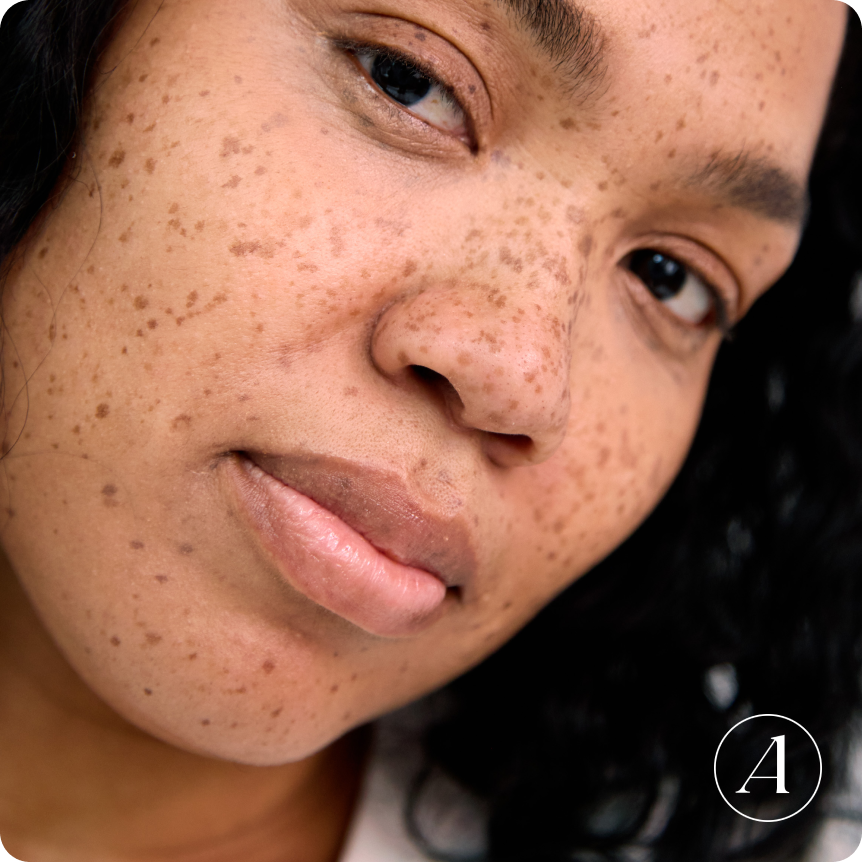
“Cortisol face” is an unofficial medical term that refers to facial puffiness due to high cortisol levels. But if the term is not official, does cortisol face even exist? The answer is yes, but it’s complicated. Here’s what’s true (and what’s not) about how stress and cortisol can affect your face.
I’ve always been a pretty stressed out person (who isn’t these days?), so when the concept of a high cortisol face started popping up on my TikTok, it caught my attention. I immediately ran to the mirror, inspecting my face to see if it was rounder or puffier than usual. While it looked the same, the term stuck with me, and it sometimes resurfaces whenever I feel more stressed than usual.
Turns out, cortisol face is something most of us can drop from our worry list. The term isn’t a real medical diagnosis, and emotional stress alone probably won’t change the shape of your jawline. That said, there are some medical conditions and lifestyle choices that may lead to facial puffiness, including some that are associated with high levels of cortisol. Ahead, we’ll separate fact from fiction when it comes to facial puffiness and cortisol, as well as what to do if you’re concerned about a puffy face.
“Cortisol is a natural hormone produced by the adrenal glands with many functions, the main one being to help the body adapt to situations of mental or physical stress,” says Sonia Gibson, MD, a lead Board Certified Endocrinology Physician at Allara. That primary role has earned cortisol the nickname of the “stress hormone.” While it can keep us up at night, thinking about that random calendar invite from our boss or another stressor, it also does so much more. Cortisol also plays a role in regulating our:
And that list isn’t exhaustive. Cortisol truly is a multi-talented hormone, and when it’s regulated, its effects are beneficial for our health. In fact, labeling cortisol as “bad” or something we need to get rid of is counter-productive, since regulated cortisol is essential.
The adrenal glands, small glands at the top of the kidney, make and produce cortisol as needed. When we’re stressed, for example, they produce cortisol as a trigger for our flight-or-fight response. But stress isn’t the only instigator; cortisol is also released as part of the body’s response to eating, as part of the inflammatory response to an injury or illness, and as a reaction to a blood sugar spike (which can be caused by eating a sugary dessert, sunbathing, coffee, and even gum disease).
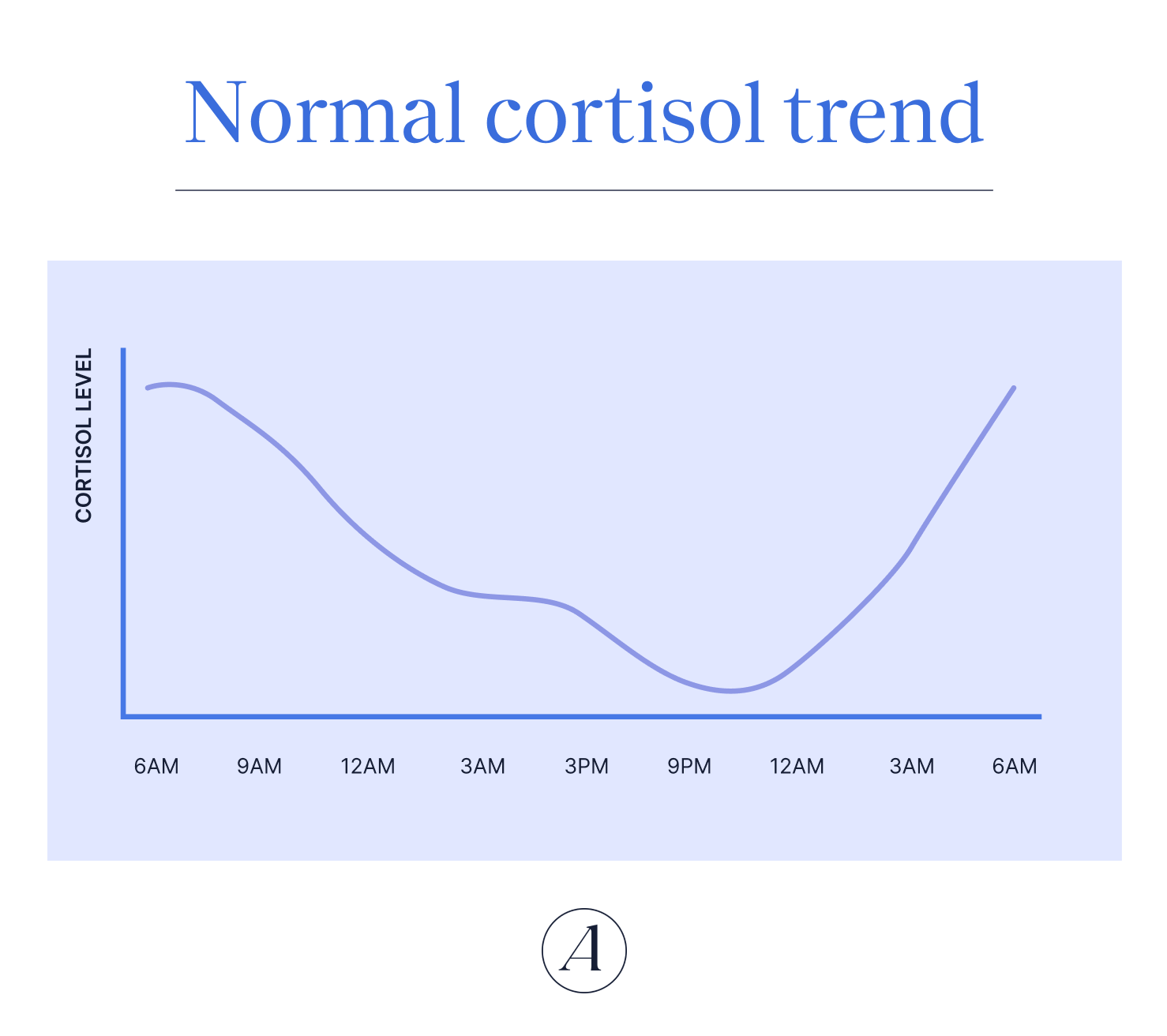
As if that weren’t enough triggers, hormone levels fluctuate as part of the sleep-wake cycle. Cortisol levels dip as we fall asleep, allowing the body to rest, and levels rise near the end of sleep, signaling it’s time to wake up.
High levels of cortisol disrupt this well-oiled hormonal machine. Common signs your cortisol levels are high include:
When high for a long time, high cortisol level symptoms may also encompass long-term changes, such as bruising easily, weak muscles and joints, and a moon face (which is probably the inspo for “cortisol face”).
“‘Cortisol face’ is not a recognized medical term,” says Dr. Gibson, “In pathological conditions, such as Cushing's disease, there is an excessive and unregulated secretion of cortisol. One of the symptoms of this disease is referred to as ‘moon facies,’ which typically presents as a round, red face, often accompanied by acne and excessive hair growth.”
Online, some influencers claim emotional stress (think: bills, conflicts at home, problems at work, etc.) or even “high stress workouts” can make the face puffier and rounder. You can rest easy knowing moon facies may have inspired these claims, but high stress won’t cause it. Dr. Gibson explains, “High stress will not cause ‘moon facies,’ as this specific facial appearance is characteristic of pathological secretions, such as those caused by an adrenal or pituitary tumor.”
However, high cortisol levels for any reason (including lots of mental stress) may cause sudden weight gain and fluid retention, including around the face and neck. This may lead to some puffiness as well as cortisol acne or the face looking redder.
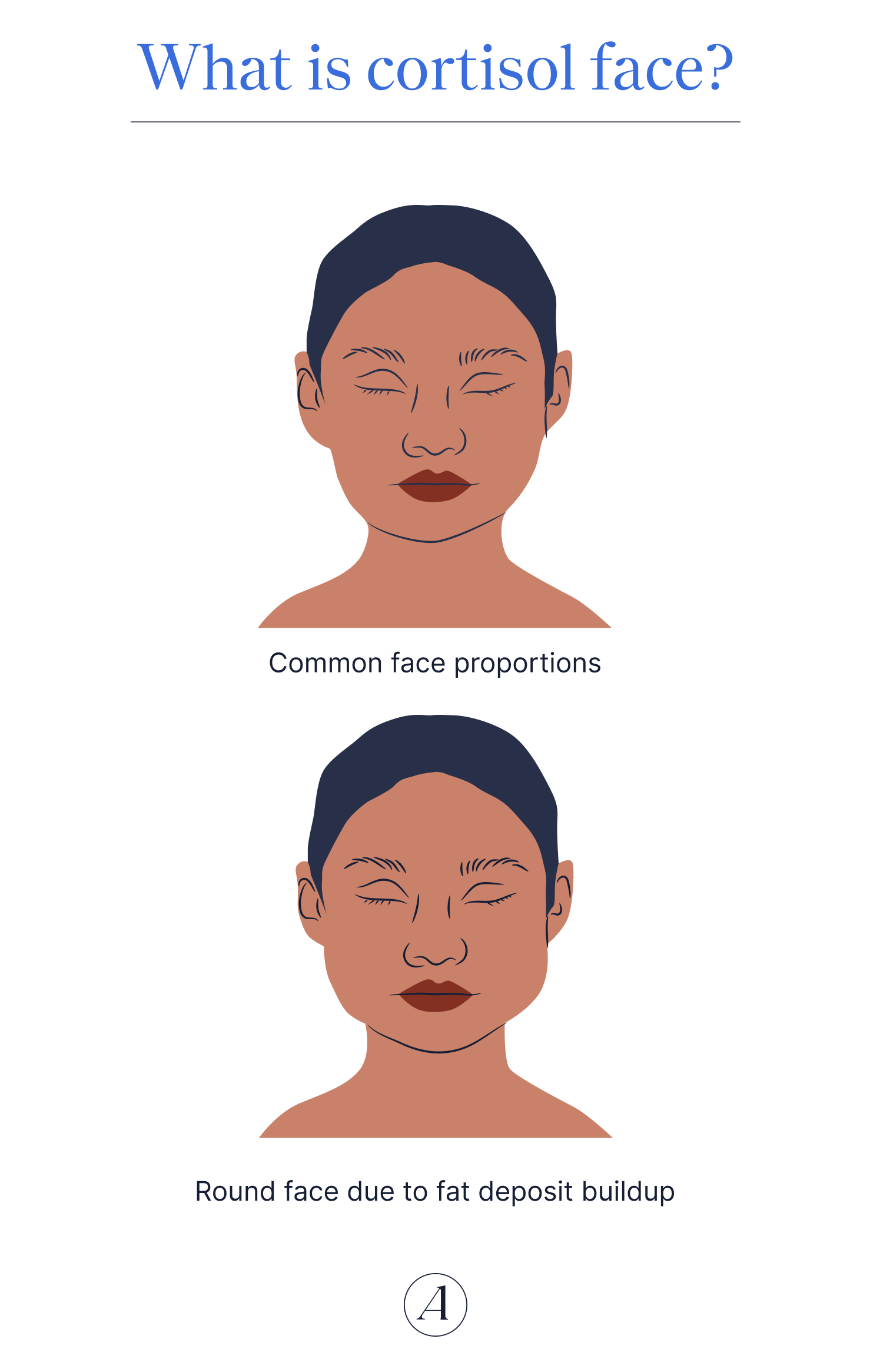
Moon face puffiness has many potential causes—and yes, cortisol makes the cut, it’s not the only culprit. “Many other common conditions can present with facial puffiness unrelated to cortisol or high stress, including poor sleep, disruptions in circadian rhythm, poor diet, high salt intake, chronic allergies, and certain medications,” says Dr. Gibson.
Cushing’s syndrome, also called Cushing’s disease, occurs when the adrenal glands produce too much cortisol over a long period of time. If cortisol is causing facial puffiness that can be diagnosed as moon facies, it may be due to this syndrome. However, it’s worth noting that this syndrome is uncommon, with only 2.2 cases per every 100,000 people.
The most common cause of Cushing’s is the long-term use of steroids. It may also be caused by tumors in the adrenal glands or the pituitary gland, a part of the brain that plays a role in cortisol production.
If left untreated, Cushing’s syndrome can be life-threatening. Fortunately, this disease is treatable, usually via surgery to remove a tumor, cortisol-reducing medications, or a mix of both.
Emotional and physical stress don’t make the list of Cushing's syndrome causes. That said, the two can contribute to a transient state known as pseudo-Cushing’s syndrome, which is more common than actual Cushing’s. “Periods of prolonged or chronic intermittent elevations of cortisol can cause facial puffiness and fluid retention, but the cortisol levels are not high enough to actually cause moon facies or other Cushing's features,” explains Dr. Gibson. That means it is possible for the face to get a bit puffier from long-term stress, but it won’t lead to a diagnosis of moon facies.
Usually, pseudo-Cushing’s syndrome goes away when the underlying cause is treated. This may look like stress management education, treatment for depression or anxiety, or support for alcohol abuse, which is tied with depression as the most common cause of psuedo-Cushing’s syndrome.
The thyroid is a small but mighty gland in the neck. It produces hormones that control how the body uses energy. If it releases those hormones too slowly to meet the body’s needs, it’s referred to as hypothyroidism. Hashimoto’s disease, inflammation of the thyroid, and certain medications are all common causes of hypothyroidism.
When thyroid hormone production slows, many of the body’s functions do too, resulting in far-reaching symptoms. Fatigue, weight gain, joint pain, dry skin, trouble tolerating cold, constipation, heavy periods, and a slowed heart rate may all stem from hypothyroidism. Another that makes the symptom list? Moon face. Hypothyroidism symptoms come on slowly, meaning the face may gradually become puffier if this condition is to blame.
Polycystic ovary syndrome (PCOS) is a common hormone disorder affecting many women of reproductive age. While most commonly known for disrupting the menstrual cycle and causing infertility, it impacts the whole body, including the face and skin. While PCOS moon face is common, the condition may also cause oily skin, acne, dark patches of skin, skin tags, hair thinning, excess facial hair, and facial redness.
There are many other possible reasons for facial puffiness. For the sake of time, here’s a rapid-fire list:
When researching how to reduce face puffiness, keep in mind that many possible causes, such as hypothyroidism or PCOS, require medical intervention. That’s why it’s important to see a healthcare provider. In the meantime, some lifestyle choices may help reduce cortisol levels.
Have you ever felt more stressed out or fatigued after a week of poor eating? If so, you’re not alone (*raises hand in solidarity*). And there’s evidence to support that sugary or calorie-dense foods not only spike stress levels, but also hinder cortisol reactivity, the body’s ability to appropriately respond to an increase in cortisol.
In contrast, a healthier diet may help regulate cortisol levels and reactivity, with the Mediterranean diet being a front-runner. The name of this diet is deceptive, since it doesn’t solely consist of aperol spritzes and bowls of pasta (though both are ok in moderation while on this diet). Instead, it prioritizes:
If following this diet, you’ll always want to limit or avoid:
Dr. Gibson adds that following a proper meal schedule (think: breakfast, lunch, a snack, and dinner) can also help regulate cortisol levels. Some supplements might help as well, though research is limited. “Supplements like ashwagandha, probiotics, magnesium, among others, might help regulate cortisol levels, but the strength and consistency of this evidence varies,” explains Dr. Gibson, “These supplements should be monitored by a healthcare provider.”
Think about the last weekend where you truly took time off work. Odds are, that R&R helped you feel refreshed on Monday morning. It may have also reduced cortisol levels, since time to unwind reduces mental stress.
Activities that help the brain take a break include:
If you workout quite a bit, recovery from the physical stress may also help too. This may look like gentle stretching, foam rolling sore muscles, and taking a rest day each week.
We’d be remiss if we didn’t include sleep here too. Getting enough sleep (i.e. seven to nine hours a night) may help lower stress levels and improve how we respond to stressful situations. Dr. Gibson explains, “Maintaining a healthy sleep routine and consistent circadian rhythm is one of the most important cortisol regulators.”
Whenever my to-do list feels too long or I’m stressed about something in my life, I go for a run. It always leaves me feeling clear-headed, and life never seems as scary after. Turns out, this is because exercise boosts mental wellbeing and may even help regulate the system that produces cortisol, which is known as the hypothalamus-pituitary-adrenal axis.
The CDC recommends 150 minutes of aerobic exercise and two strength training sessions each week at minimum. That does not mean you have to sprint for 150 minutes and squat your bodyweight two times a week (though more power to you if that’s what you desire, and you recover between sessions).
“Any form of movement, from a short walk to a structured gym routine, can positively regulate cortisol,” explains Dr. Gibson, “However, excessive or strenuous exercise without proper recovery should be avoided, as this may raise cortisol levels and be difficult to regulate afterward.”
Aerobic exercise may include jogging, walking, biking, swimming, tennis, HIIT classes, dancing, and anything else that gets your heart rate up. Strength training might look like lifting weights at the gym, exercises that use bodyweight and/or resistance bands, and even some gardening work or yoga poses. No one type of exercise has been proven to be more beneficial than the other when it comes to regulating your cortisol or weight loss.
Last but not least, one of the best ways to maintain healthy cortisol levels is stress management. This may take the form of talk therapy, though mindfulness exercises can help between therapy sessions or independent of them.
Mindfulness is the practice of grounding yourself into the present moment. A 2024 study suggests mindfulness is the most effective stress management approach for lowering cortisol levels specifically. We often think of mindfulness as meditation, though it may also look like breathwork, journaling, progressive muscle relaxation, yoga, or tai chi.
“If facial puffiness is severe or accompanied by significant redness, acne, and excessive hair growth, it may indicate a pathological elevation of cortisol, known as Cushing's disease,” says Dr. Gibson. The problem is, Cushing’s disease isn’t the only potential cause, which is why it’s important to report symptoms to a healthcare provider.
A primary care provider may be able to provide an initial referral, but you’ll most likely need to see a hormonal health specialist, such as the team at Allara, to get a clear diagnosis. Our specialists regularly test hormone levels, develop customized treatment plans, and provide ongoing support from a comprehensive care team. After working with Allara, patients have experienced a reduction in symptoms, including facial puffiness.
When cortisol levels are high for a long time, facial puffiness, especially around the jawline, may occur. Emotional or physical stress, however, isn’t the only cause of high cortisol levels. Other common ones include long-term steroid medication use and a tumor in the adrenal or pituitary glands.
Stress may cause puffy eyes for various reasons. Feeling stressed may disrupt sleep, which may lead to undereye bags, and emotional stress may disrupt the body’s regulation of inflammation and fluid retention. However, it’s not the only cause of puffy eyes, and only a qualified healthcare provider can determine what’s causing this symptom.
Cortisol is an essential hormone that helps us wake up and regulates the body’s reactions to emotional and physical stress. When regulated, it also contributes to a healthy immune system, blood pressure, blood sugar levels, and more. If cortisol levels are too high, it may lead to disruptions in the digestive tract, weight gain or loss, irritability, brain fog, or a lack of energy. In the long-term, high cortisol levels can be life-threatening if caused by Cushing’s syndrome.
“I was given an explanation of how my hormonal imbalance was affecting me as a whole - body & mind - & tools so that we could start to manage my condition. I am happy to announce after a year of trying, I found out that I was pregnant & I couldn’t be happier!”


“This is genuinely the first time in my 7 years of being diagnosed, that I have felt seen and heard.”

“The Allara Community gives me the courage and support to continue my PCOS journey - I am never afraid to ask the hard questions and love hearing from other women with the same challenges.”

"My doctor went above and beyond making sure I had all the necessary tests, but also tremendously helped me in understanding my diagnosis, helping me change my lifestyle, and making sure I get the treatment I deserve."

"Before Allara I had no real direction or understanding of what it meant to have PCOS. Now I have a team of people that take time to explain every single thing to me, ask me how I feel and let me be a part of my treatment plan."


