

last updated:
December 3, 2025
min read
Finding answers, advocacy, and community: Chelsea Leyland’s endometriosis journey

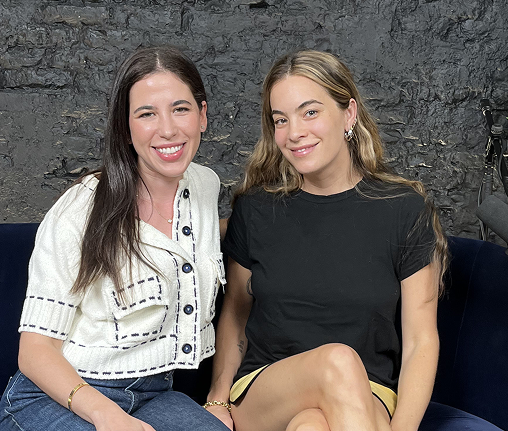
For Chelsea Leyland, co-founder of Looni, the road to understanding her hormonal health has been anything but linear. Before she became a globally recognized advocate — speaking at Cambridge University and the European Parliament about patient access and medical bias — she, too, was navigating years of unexplained pain, fertility challenges, and medical dismissal.
Many know Chelsea from her years as a DJ, performing for brands like Chanel or opening for Duran Duran, but behind the scenes she was juggling epilepsy, debilitating endometriosis, and pregnancy losses that reshaped her entire worldview. Today, she channels that lived experience into advocacy, education, and community building, empowering women to better understand their bodies. Chelsea shares the realities of her diagnosis journey, how she finds strength on difficult days, and why she believes the future of women’s health is finally shifting toward empathy and whole-body care.

For years, I was told my pain was normal — that I just had “bad periods.” But over time, the intensity and level of pain became so extreme, along with fatigue and digestive issues, that I knew something wasn’t right. I started being hospitalized, and it became clear that this was more than just a painful period.
It was long and frustrating — more than 10 years of seeing multiple doctors before anyone took me seriously. The diagnosis finally came after a laparoscopic procedure, and even then it was a mix of relief and anger. It was validating to finally have a name for what I was experiencing, but it also opened my eyes to how many women are dismissed or misdiagnosed — and how rampant medical gaslighting is within this system.
Losing pregnancies while navigating endometriosis made me painfully aware of how little education and support exist for women managing both fertility and hormonal health. As women, we’re often starting from a knowledge deficit when it comes to understanding our bodies. Looni was born out of that gap — we wanted to create a brand and community that fosters body literacy and helps women build a toolbox to support their hormonal health in a holistic, informed way.
Honestly, it came from the deep loneliness and pain I felt on my own journey. Nothing prepares you for the trauma of an ectopic pregnancy — waking up to learn that your fallopian tube and the baby you were carrying are gone. I didn’t want others to feel as isolated as I did, especially in a world that often asks women to stay quiet about their pain. Sharing my story became a way to connect, to remind others they aren’t alone, and to help shift the conversation around women’s health toward honesty and compassion. Once I started opening up, I realized how many others were carrying the same pain in silence — and that gave me purpose.
The hardest part is balancing the unpredictability of my body with the constant demands of building a company. Some days, the pain or fatigue can be overwhelming, and I’ve had to learn to listen and slow down — which doesn’t come naturally when you’re in founder mode.
What keeps me going is Looni’s incredible community — the hundreds of women who share their stories, support one another, and remind us why we started this in the first place. They’re what get me out of bed on the hardest days.
These conversations stem from lived experience, and the roots we’ve planted are ones of empathy and honesty. We normalize them by sharing our own stories and intentionally cultivating a judgment-free space. The goal is always to make people feel seen, validated, and empowered to take ownership of their health.
Traditional healthcare often treats symptoms in isolation — cramps, acne, fatigue — without considering the bigger picture of hormonal balance or root causes. Looni was created to fill that gap by offering education, tools, and products that support women holistically throughout their cycles.
Pain is not “normal,” and any cycle imbalance deserves careful attention. Too many women are told to just “wait and see,” but early awareness and proactive care can make a huge difference in fertility preservation. Understanding the link between endometriosis and fertility empowers women to make informed decisions about family planning and treatment.
Trust yourself — our intuition is usually right. If something feels off, it probably is. Advocate for yourself: write down questions before appointments, bring an ally if you need support, keep detailed records, and don’t hesitate to seek second opinions. Do your due diligence on doctors through your community, and connect with others going through similar experiences. You are your own best advocate, and you deserve to be heard.
The conversation is finally shifting — there’s more research, more awareness, and more community support than ever before. Women are finding their voices, and with that, the future of care is becoming more informed, empathetic, and holistic. That gives me real hope.
An example of this is a groundbreaking clinical study I’m currently helping recruit U.S.-based women for — including those who’ve experienced fertility challenges such as recurrent miscarriage, difficulty conceiving for 6+ months, or endometriosis.
NextGen Jane has developed the ability to detect endometriosis and identify fertility-related markers from menstrual blood — helping reveal what’s really happening in the body. It’s an incredible step forward for women’s health research, and something that means a great deal to me personally.
Chelsea’s story is a reminder of how deeply women deserve care that listens, investigates, and supports them holistically.
Her journey mirrors what so many in the Allara community have experienced: years of minimized symptoms, countless appointments without answers... and the transformative moment when they finally feel heard.
By sharing her story, Chelsea continues to push forward a world where women aren’t dismissed — they’re believed, supported, and empowered to understand their bodies.
“I was given an explanation of how my hormonal imbalance was affecting me as a whole - body & mind - & tools so that we could start to manage my condition. I am happy to announce after a year of trying, I found out that I was pregnant & I couldn’t be happier!”


“This is genuinely the first time in my 7 years of being diagnosed, that I have felt seen and heard.”

“The Allara Community gives me the courage and support to continue my PCOS journey - I am never afraid to ask the hard questions and love hearing from other women with the same challenges.”

"My doctor went above and beyond making sure I had all the necessary tests, but also tremendously helped me in understanding my diagnosis, helping me change my lifestyle, and making sure I get the treatment I deserve."

"Before Allara I had no real direction or understanding of what it meant to have PCOS. Now I have a team of people that take time to explain every single thing to me, ask me how I feel and let me be a part of my treatment plan."


